


The shoe manufacturing supply chain is a critical factor in the success of any production project. Only when all steps are properly coordinated can companies control quality, cost, and delivery timelines.
In this guide you will learn:
- how the shoe manufacturing supply chain is structured
- which steps and stakeholders are involved
- where common problems occur
- how to optimize and maintain control
Many challenges do not arise in production itself, but in how the supply chain is managed.
What does the shoe manufacturing supply chain include?
The shoe manufacturing supply chain covers every step from material sourcing to final delivery.
Typical components:
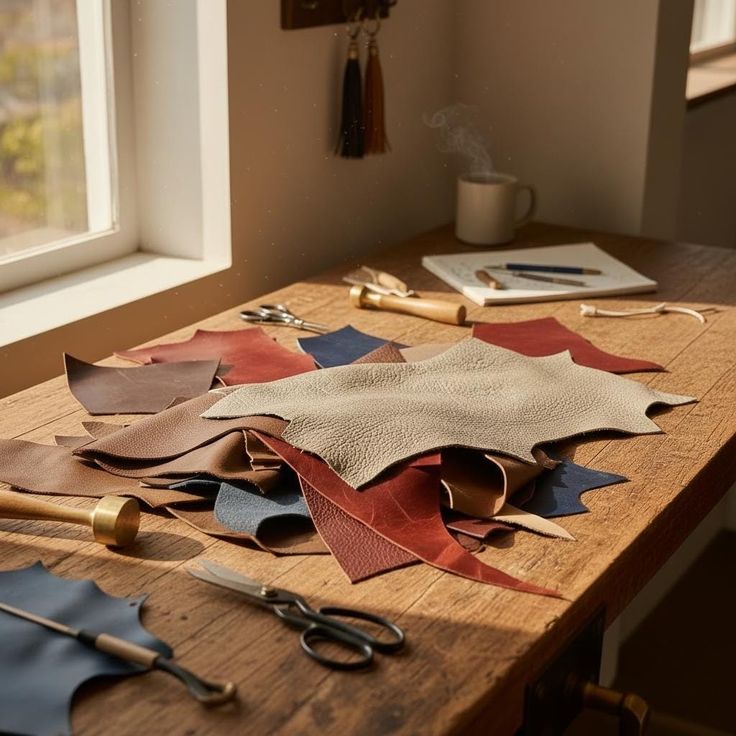
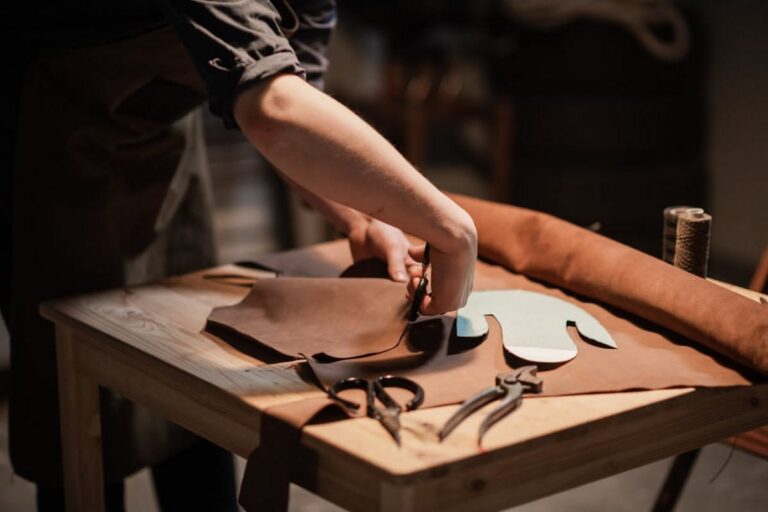
- material sourcing
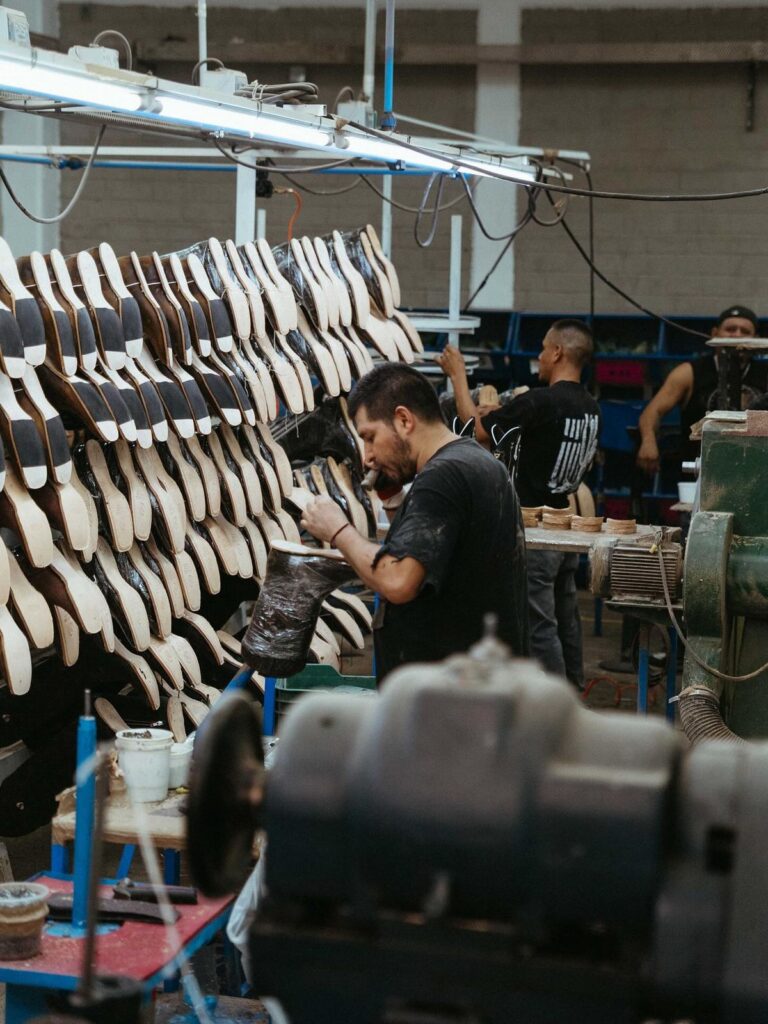
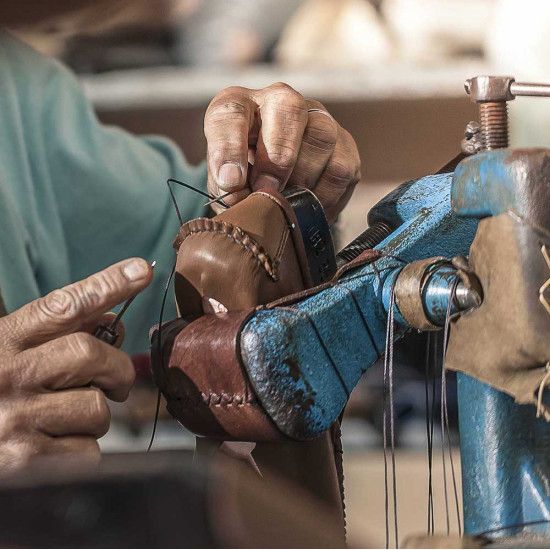
- production
- quality control
- logistics and transport
- warehousing
An overview of the full process is explained in shoe manufacturer guide.
Which stakeholders are involved?
Several parties are part of the supply chain:
- material suppliers
- manufacturers
- logistics partners
- brands or companies
Choosing the right partner is critical, as explained in find a shoe manufacturer.
Where do the biggest challenges occur?
The supply chain comes with several risks.
Common issues:
- material delays
- lack of coordination
- transport disruptions
- poor planning
Learn more in production delays.
The role of material sourcing
The supply chain starts with materials.
Key factors:
- availability
- quality
- lead times
Learn more in shoe materials.
How production impacts the supply chain
Production is the core of the supply chain.
Important factors:
- capacity
- production timelines
- quality assurance
Production timing is explained in production time.
The role of logistics
After production, transport becomes critical.
Key factors:
- shipping method (air vs. sea)
- customs handling
- delivery timelines
Location impacts logistics, as explained in Europe vs. Asia.
How to maintain control
A structured approach is key to managing the supply chain.
Important actions:
- define clear processes
- establish regular communication
- ensure full transparency
- build strong partnerships
Planning is explained in plan shoe manufacturing.
The importance of quality control
Quality control is a core part of the supply chain.
Key elements:
- in-line inspections
- final inspections before shipment
Learn more in quality control.
Common supply chain mistakes
Many companies face similar issues:
- lack of visibility
- poor communication
- unclear responsibilities
- tight or unrealistic timelines
Learn more in production mistakes.
How to optimize your supply chain
A structured approach improves control and efficiency.
Key strategies:
- define clear workflows
- choose reliable partners
- create transparency
- build in buffers
Scaling depends heavily on supply chain quality, as explained in scale shoe manufacturing.
Who needs to focus most on this?
The supply chain is especially important for:
- growing companies
- larger production volumes
- international production setups
Reorders also depend on strong supply chains, as explained in shoe reorders.
Conclusion: Control your supply chain proactively
The shoe manufacturing supply chain is a key success factor. Companies that understand and actively manage their processes can maintain control over time, cost, and quality.
A well-structured supply chain creates stability and enables long-term growth.
Explore more about shoe manufacturing and production processes in our other guides.