


Materials in shoe manufacturing are one of the most important factors influencing quality, cost, and product positioning. The right material choice determines how a shoe performs in the market and how it is perceived by customers.
In this guide you will learn:
- which materials are used in shoe manufacturing
- their differences and characteristics
- how materials impact cost and quality
- how companies make the right selection
Many companies underestimate how critical material decisions really are.
What materials are used in shoe manufacturing?
Shoe manufacturing materials can be divided into several categories.
Main components:
- upper materials
- lining materials
- outsoles
- insoles
- accessories and details
These elements define both the appearance and functionality of a shoe.
Upper materials overview
The upper material defines the look and perceived value of a shoe.
Common options:
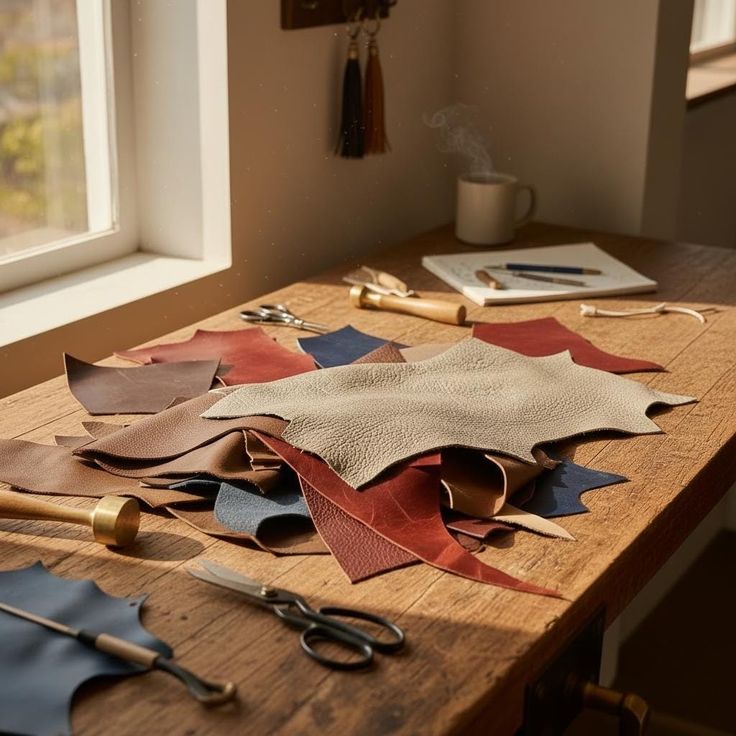
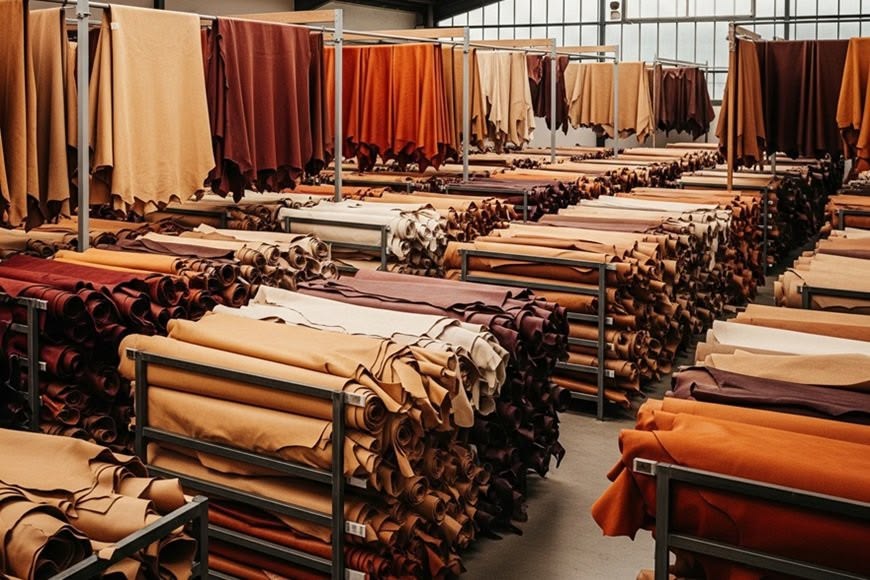
- leather (full-grain, nubuck, suede)
- textiles
- synthetic materials
Leather is typically used in mid to premium segments, while synthetic materials are often more cost-efficient.
Lining materials and comfort
The lining directly affects comfort and wearability.
Typical materials:
- leather lining
- textile lining
- functional materials
Fit is closely related to comfort, as explained in shoe fit development.
Sole materials
The sole determines stability, grip, and application.
Common materials:
- rubber
- PU (polyurethane)
- EVA
- TPU
Different use cases require different material properties.
How do materials impact cost?
Materials have a direct impact on production cost.
Key factors:
- material quality
- availability
- processing complexity
Detailed cost breakdowns can be found in cost per pair.
How do materials affect quality?
Material selection is a core driver of product quality.
It influences:
- durability
- comfort
- appearance
Learn more in quality in shoe manufacturing.
Common material selection mistakes
Many companies make critical errors when choosing materials.
Typical mistakes:
- focusing too much on price
- lack of alignment with the manufacturer
- insufficient testing during sampling
The sampling phase is essential, as explained in shoe sample development.
How to choose the right materials
A structured approach helps companies make better decisions.
Key criteria:
- target audience and positioning
- price level
- intended use of the product
- quality requirements
Strategic planning is explained in plan shoe production.
The role of the manufacturer
The manufacturer plays a key role in material selection.
They contribute:
- experience
- material sourcing networks
- technical expertise
Learn more in find a shoe manufacturer.
Who needs to focus most on materials?
Material selection is especially important for:
- premium brands
- high-quality product lines
- companies with long-term brand strategies
Brand development is covered in cost to start a shoe brand.
Conclusion: Choose materials strategically
Materials in shoe manufacturing are a key lever for quality, cost, and positioning. Companies should approach material selection strategically rather than treating it as a minor decision.
The right materials form the foundation for a successful product and a stable production process.
Explore more about shoe manufacturing and key decision factors in our other guides.