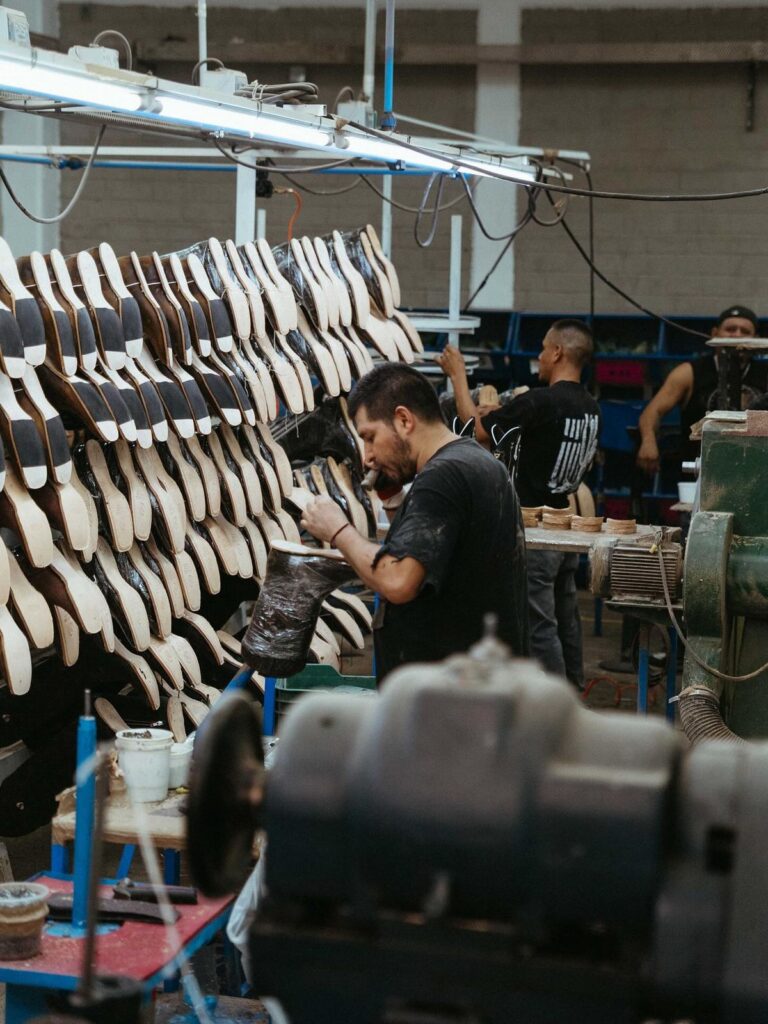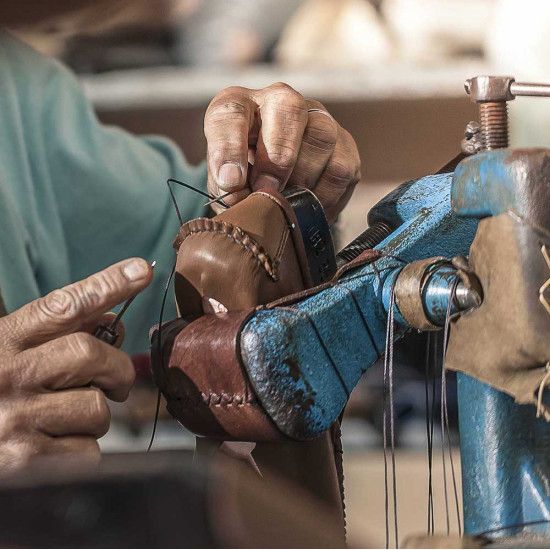



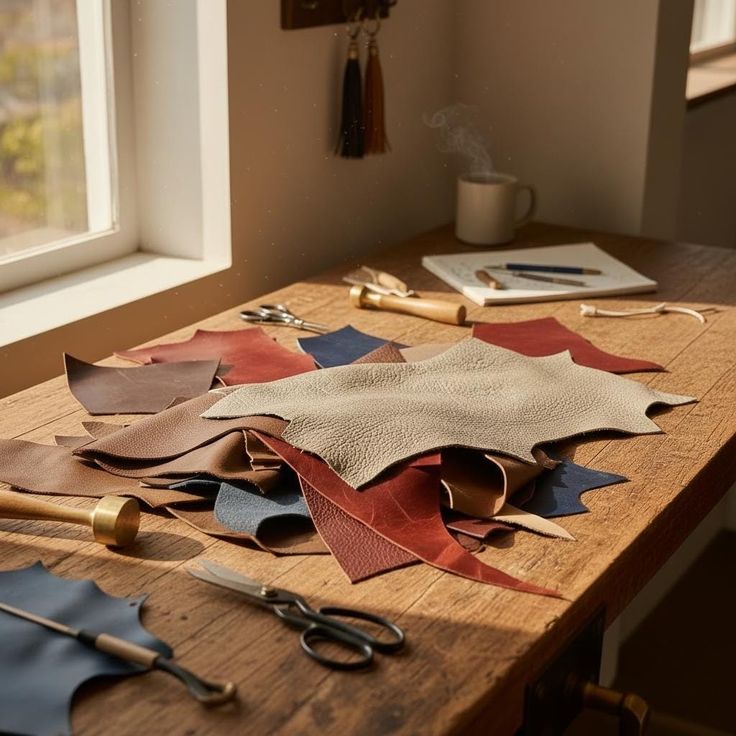
Material selection in shoe manufacturing is one of the most important factors influencing quality, cost, and brand positioning. The right choice impacts not only the product itself but also how it is perceived in the market.
In this guide you will learn:
- which materials are used in shoe manufacturing
- how to choose the right materials
- which factors influence the decision
- common mistakes companies make
Many companies underestimate how strongly material choices affect both cost and product quality.
Why is material selection so important?
Material selection in shoe manufacturing defines key product characteristics:
- quality and durability
- comfort and fit
- price structure
- brand perception
The basics of materials are explained in shoe materials.
Which materials are commonly used?
Typical materials include:
- leather
- synthetics
- textiles
- rubber and PU for soles
Each material has different properties and use cases.
What factors influence material selection?
Several factors determine the right choice:
- target audience
- price positioning
- design requirements
- intended use of the shoe
Cost impact is explained in cost per pair.
How materials impact cost
Materials are a major cost driver.
Key relationships:
- premium materials = higher production cost
- basic materials = lower production cost
Learn more in cost to start a shoe brand.
The role of quality
Material quality directly affects the final product.
Important aspects:
- durability
- processing quality
- customer perception
Learn more in quality control.
How materials connect with design
Material selection and design are closely linked.
Key aspects:
- flexibility and formability
- visual appearance
- combination possibilities
The design process is explained in design process.
Common material selection mistakes
Many companies make similar mistakes:
- focusing too much on price
- misalignment with design
- lack of quality testing
- no long-term strategy
Learn more in quality issues.
How to make the right material decision
A structured approach improves decision-making:
- define your target product clearly
- compare material properties
- test samples thoroughly
- consider long-term strategy
The sampling phase is explained in sampling process.
The role of the manufacturer
Your manufacturer plays an important role in material selection.
Key advantages:
- experience with materials
- access to supplier networks
- technical guidance
Learn more in find a shoe manufacturer.
Who should focus most on material selection?
Material decisions are especially important for:
- premium brands
- new collections
- innovative products
Scaling also depends on material strategy, as explained in scale shoe manufacturing.
Conclusion: Make material decisions strategically
Material selection in shoe manufacturing is a key success factor. Companies that choose materials carefully can control costs, ensure quality, and strengthen their brand positioning.
A well-defined material strategy supports long-term success and stable production processes.
Explore more about shoe manufacturing and key decision factors in our other guides.