



Quality control in shoe manufacturing is essential for ensuring consistent results and detecting issues early. Without structured control processes, even small mistakes can lead to costly problems.
In this guide you will learn:
- which types of quality control exist
- how to prevent mistakes early
- common weak points in production
- how to build a structured control process
Many issues do not originate from production itself, but from a lack of control.
Why is quality control so important?
Quality control in shoe manufacturing ensures that products meet defined specifications.
Without proper control, companies risk:
- product defects
- returns and complaints
- unexpected costs
- loss of customer trust
Learn more in quality in shoe manufacturing.
What types of quality control exist?
An effective quality control system consists of multiple stages.
- material inspection before production
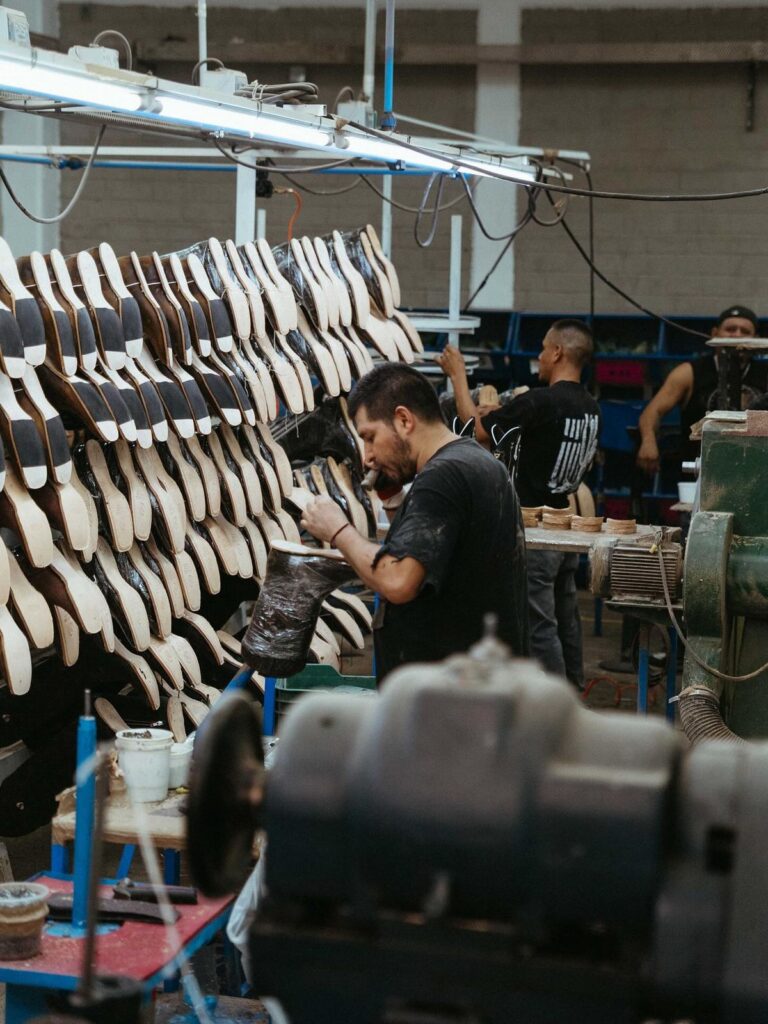
- in-line inspections during production
- final inspection before shipment
Each phase plays a critical role in ensuring consistent results.
Material inspection before production
Quality starts with materials.
Key checks include:
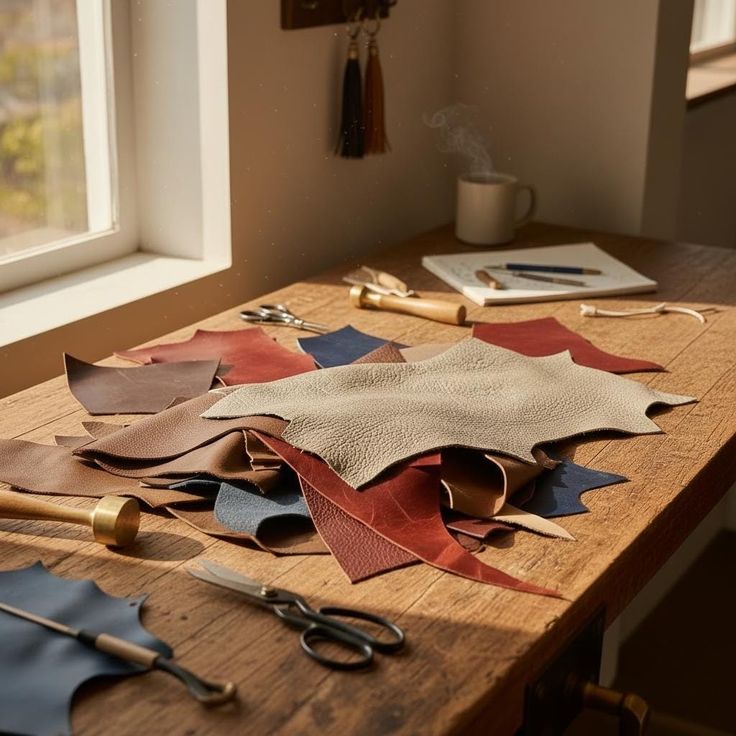
- inspection of leather, textiles, and soles
- comparison with specifications
- identification of defects or inconsistencies
Learn more in material selection in shoe manufacturing.
In-line inspections during production
During production, regular checks are essential.
Typical inspections:
- workmanship and finishing
- fit and structure
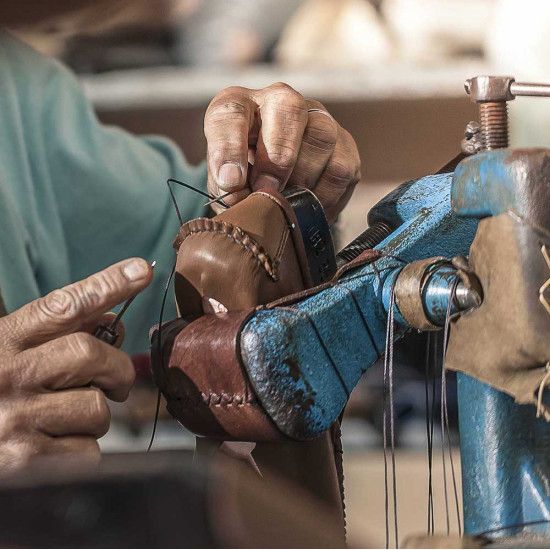
- bonding and stitching quality
Fit is especially critical, as explained in shoe fit development.
Final inspection before shipment
The final inspection is the last opportunity to detect defects.
Key checks:
- visual appearance and finishing
- functionality
- packaging accuracy
Defects missed at this stage will reach the customer directly.
Common quality control mistakes
Many companies make similar mistakes:
- no clear quality standards
- lack of documentation
- insufficient inspections
- reacting too late to issues
Learn more in common production problems.
The role of the manufacturer
The manufacturer plays a key role in quality outcomes.
Important factors:
- experience and specialization
- internal quality processes
- transparency and communication
Learn more in find a shoe manufacturer.
How to actively prevent errors
A structured approach reduces risks significantly:
- define clear specifications
- implement regular inspections
- intervene early when issues arise
- maintain close communication with the manufacturer
Planning is key, as shown in plan shoe production.
What happens without quality control?
Lack of control leads to serious consequences:
- returns and complaints
- brand damage
- additional costs
- production delays
Learn more in production delays.
Who needs quality control the most?
Quality control is especially important for:
- brands with premium positioning
- companies scaling production
- retailers with private label products
Scaling increases the importance of structured processes.
Conclusion: Build a structured quality control system
Quality control in shoe manufacturing is not optional—it is essential. Companies that implement structured processes avoid costly mistakes and ensure consistent results.
A clear control system creates transparency, reliability, and long-term trust in production.
Explore more about shoe manufacturing and process optimization in our other guides.