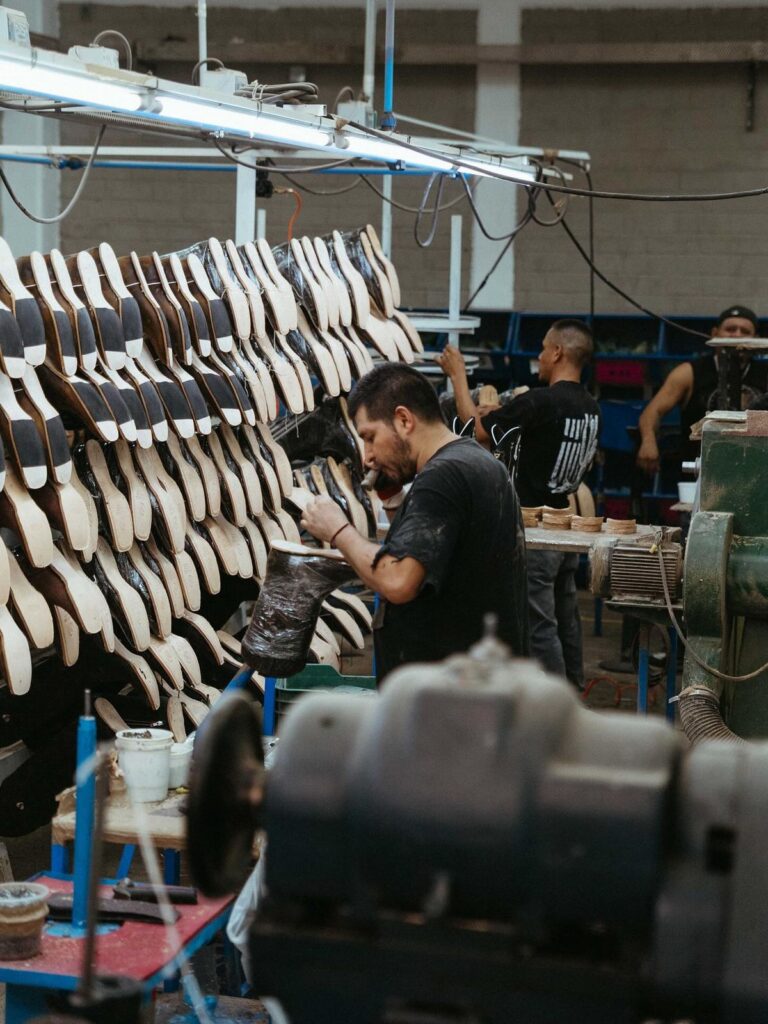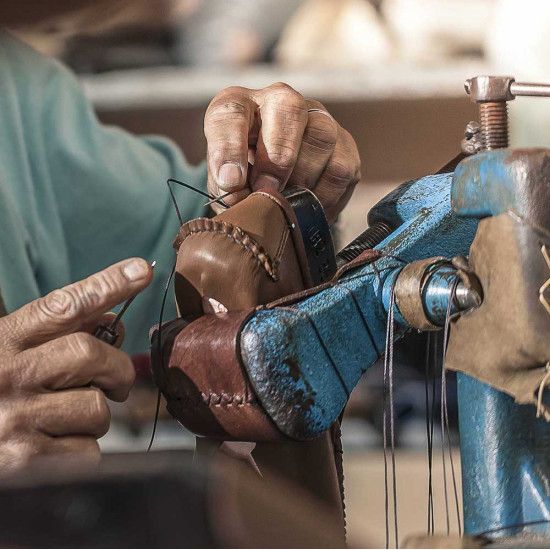



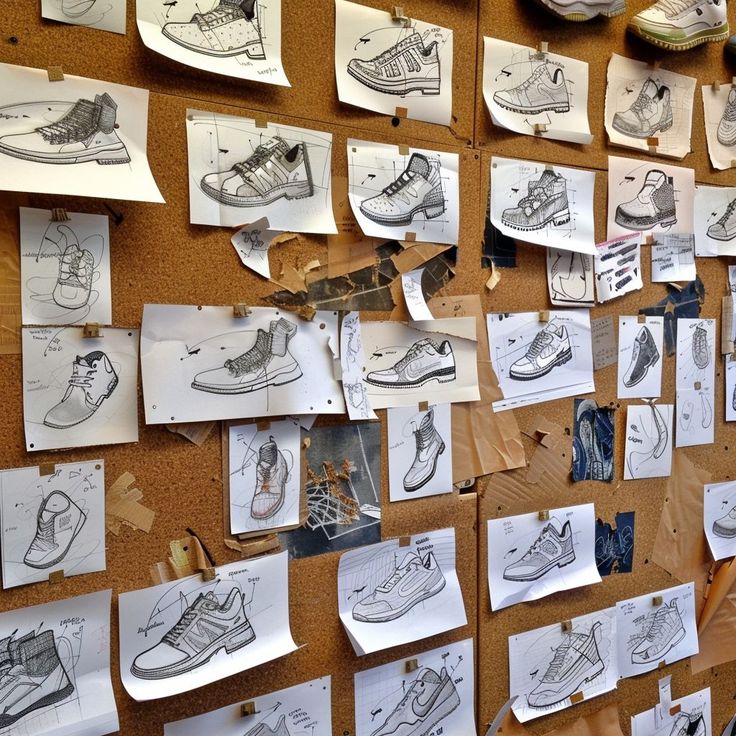
Scale shoe manufacturing is the next critical step for companies that want to grow their brand and increase market presence. However, scaling introduces new challenges in planning, quality, and operational structure.
In this guide you will learn:
- when the right time to scale is
- what challenges arise with increasing volumes
- how to expand production successfully
- common mistakes companies make when scaling
Many companies grow faster than their processes—this is where problems begin.
When should you scale shoe manufacturing?
The decision to scale should be strategic.
Typical indicators:
- increasing demand
- repeat orders
- stable sales performance
- expanding product lines
A strong foundation starts with planning, as explained in plan shoe production.
What challenges come with scaling?
As production grows, complexity increases.
Common challenges:
- more complex production processes
- higher quality expectations
- greater dependency on supply chains
- increased coordination effort
Supply chain management is explained in shoe supply chain.
How does production structure change?
Scaling requires structural adjustments.
Typical changes:
- larger production batches
- more standardized processes
- clear responsibilities
The full process is explained in shoe manufacturer guide.
The role of quality during scaling
Maintaining consistent quality becomes more difficult as volumes increase.
Key actions:
- define clear quality standards
- implement regular inspections
- standardize processes
Learn more in quality control and quality in manufacturing.
Why the right manufacturer matters
Not every manufacturer is capable of scaling with you.
Important criteria:
- sufficient production capacity
- structured operations
- experience with larger volumes
Learn more in find a shoe manufacturer.
How costs change when scaling
Scaling changes the cost structure significantly.
Typical effects:
- lower unit costs
- higher total investment
- increased capital commitment
Detailed calculations are explained in cost per pair.
Common scaling mistakes
Many companies make similar mistakes when growing.
Typical issues:
- expanding too quickly
- lack of structured processes
- insufficient quality control
- choosing the wrong manufacturer
Learn more in production mistakes.
How to scale successfully
A structured approach is key to sustainable growth.
Key strategies:
- plan realistic production volumes
- build stable supply chains
- strengthen quality processes
- develop long-term partnerships
Planning strategies are explained in plan shoe production.
Who needs scaling the most?
Scaling is especially relevant for:
- growing brands
- companies with increasing demand
- retailers with successful private label products
Brand growth is also covered in cost to start a shoe brand.
Conclusion: Scale shoe manufacturing strategically
Scaling shoe manufacturing is not just about producing more units. It requires adapting processes, ensuring quality, and working with the right partners.
Companies that scale with structure and strategy can grow sustainably and remain competitive in the market.
Explore more about shoe manufacturing and growth strategies in our other guides.