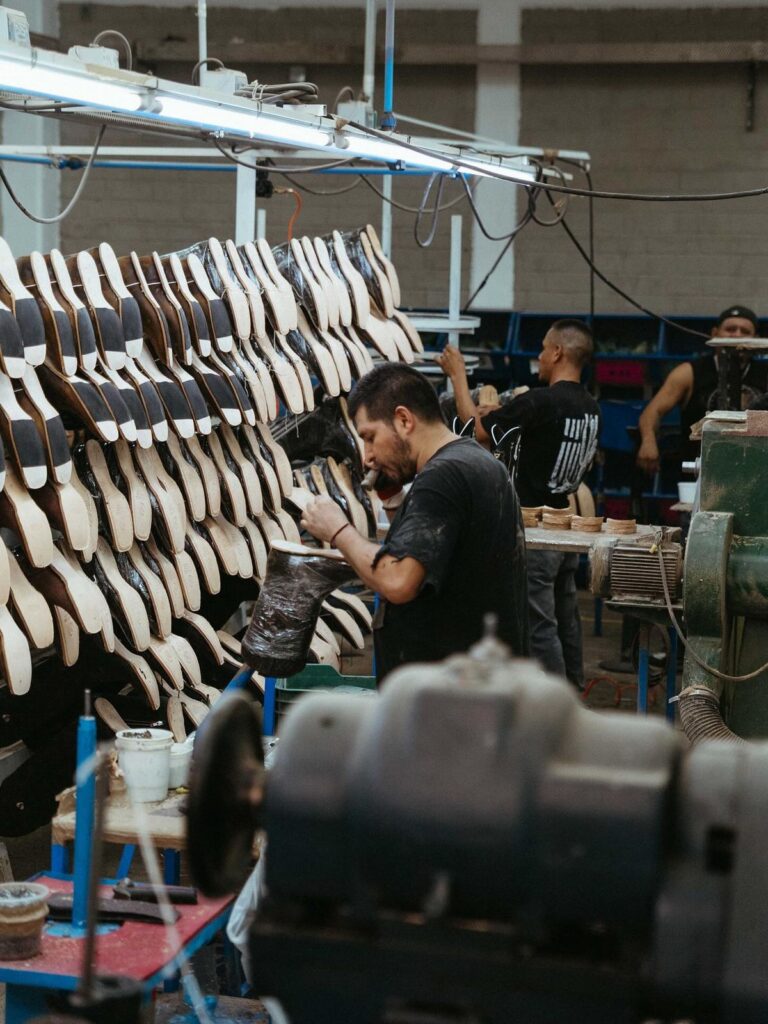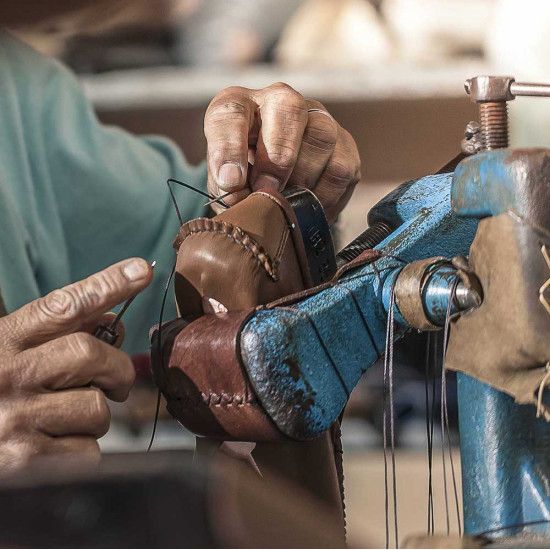




Shoe manufacturing Europe vs Asia is one of the most important decisions companies face when producing their own footwear. Both regions offer unique advantages but also come with specific challenges.
In this guide you will learn:
- the key differences between Europe and Asia
- advantages and disadvantages of both regions
- which factors influence the right decision
- which option suits different business models
Your production location directly impacts cost, quality, flexibility, and delivery time.
What is the difference between Europe and Asia in shoe manufacturing?
Shoe manufacturing in Europe and Asia differs mainly in structure, cost, and operational approach.
Core differences:
- Europe: smaller, specialized manufacturers
- Asia: large-scale production capacities
- Europe: faster communication and coordination
- Asia: generally lower production costs
For a full overview, see shoe manufacturer guide.
Advantages of shoe manufacturing in Europe
Europe offers strong advantages in quality and control.
- higher quality standards
- direct communication
- shorter lead times
- more flexibility for smaller quantities
Learn more in European shoe manufacturers.
Advantages of shoe manufacturing in Asia
Asia is one of the most important global production hubs.
- lower production costs
- large-scale manufacturing capacity
- high efficiency in mass production
Especially for high-volume production, Asia is often the more economical choice.
What are the disadvantages?
Both regions come with specific challenges.
Europe:
- higher costs
- limited capacity
Asia:
- longer lead times
- more complex communication
- higher risk of delays
Learn more in shoe production delays.
How important are costs?
Cost is a key decision factor for most companies.
- Asia: lower unit costs
- Europe: higher costs but better control
Detailed breakdowns can be found in cost per pair.
What about lead times?
Lead times vary significantly between regions.
- Europe: faster delivery
- Asia: longer shipping times
Learn more in production timelines.
Does quality depend on the region?
Quality is not determined solely by location, but by the manufacturer.
Key factors:
- manufacturer expertise
- quality control processes
- material selection
Learn more in quality in shoe manufacturing.
Is Turkey a strategic alternative?
Turkey is positioned between Europe and Asia and offers a strong hybrid solution.
- balanced cost-to-quality ratio
- shorter lead times than Asia
- flexible production structures
Learn more in shoe manufacturing in Turkey.
Who should choose Europe?
Europe is ideal for:
- smaller production runs
- premium brands
- projects requiring fast turnaround
Who should choose Asia?
Asia is ideal for:
- large-scale production
- price-driven products
- scalable business models
Scaling strategies are explained in scale shoe production.
How should companies decide?
The right decision depends on several factors:
- budget
- production volume
- quality expectations
- lead times
A structured approach is explained in plan shoe production.
Conclusion: Europe vs Asia in shoe manufacturing
Shoe manufacturing Europe vs Asia is not about right or wrong—it’s about strategy. Both options offer clear advantages depending on your business model.
Companies that balance cost, quality, flexibility, and time effectively will make the best decision for their production.
Explore more about shoe manufacturing and global production strategies in our other guides.