


Shoe manufacturing timeline is a critical factor for companies planning their own collections. From the first idea to final delivery, the process often takes significantly longer than expected.
In this guide you will learn:
- how long shoe production really takes
- which phases have the biggest impact on timing
- where delays typically occur
- how to plan your production timeline effectively
Many companies underestimate the time required and plan their projects too tightly.
How long does shoe manufacturing take overall?
The shoe manufacturing timeline depends on the project, but can generally be divided into several phases.
Typical process:
- concept and planning
- design and development
- sampling phase
- production
- logistics and delivery
An overview of the full process can be found in shoe manufacturer guide.
Phase 1: Concept and planning
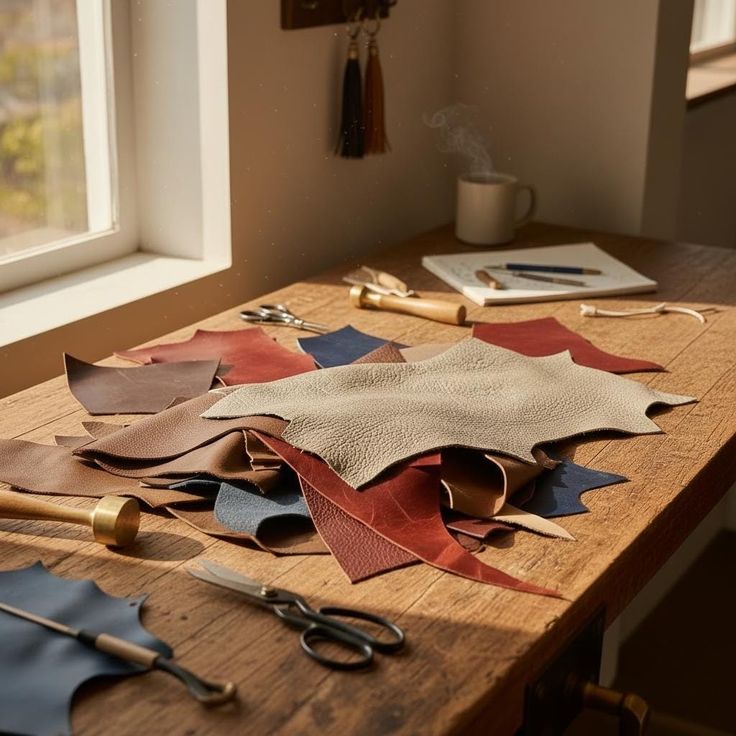
The process starts with a clear product idea. This phase is often underestimated but sets the foundation.
Typical tasks:
- defining the target group
- setting price positioning
- initial discussions with manufacturers
Learn more in shoe manufacturing process.
Phase 2: Design and development
In this phase, the idea becomes a concrete product.
Typical steps:
- design creation
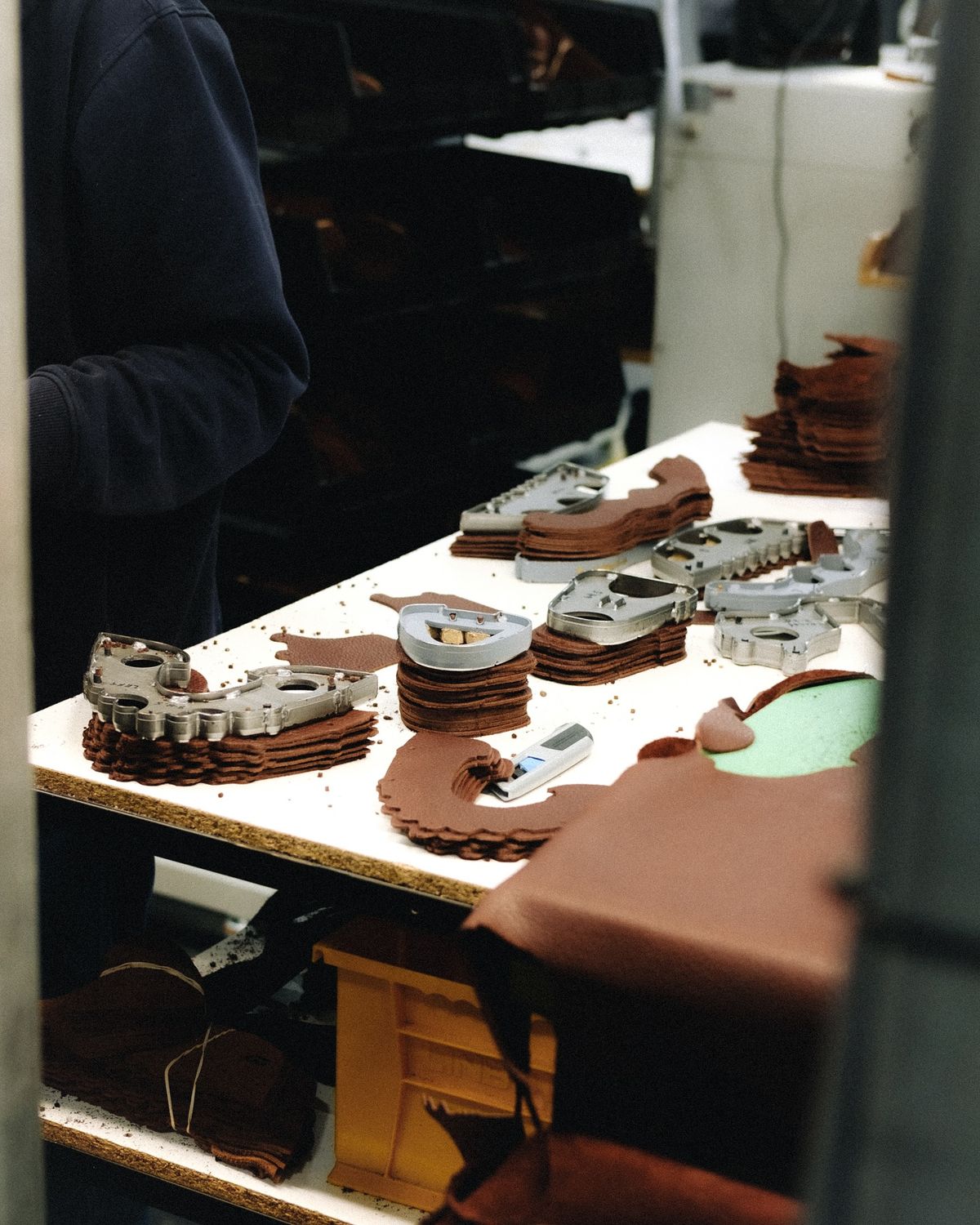
- material selection
- technical specifications
More details in develop shoes.
Phase 3: Sampling phase
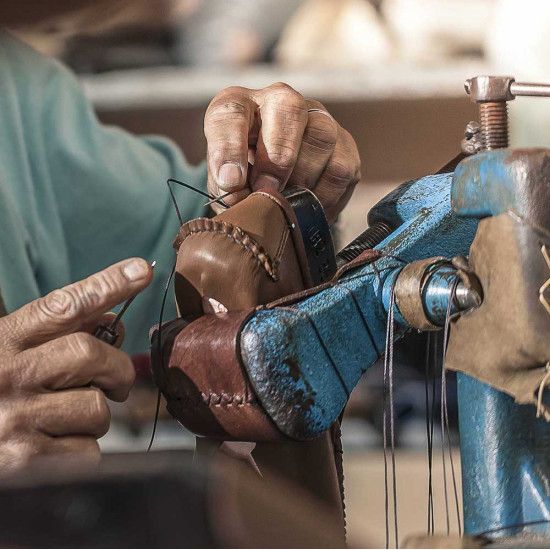
The sampling phase is one of the most important and time-consuming stages.
This includes:
- creating prototypes
- testing fit and comfort
- making adjustments
Learn more in shoe sample development.
Phase 4: Production
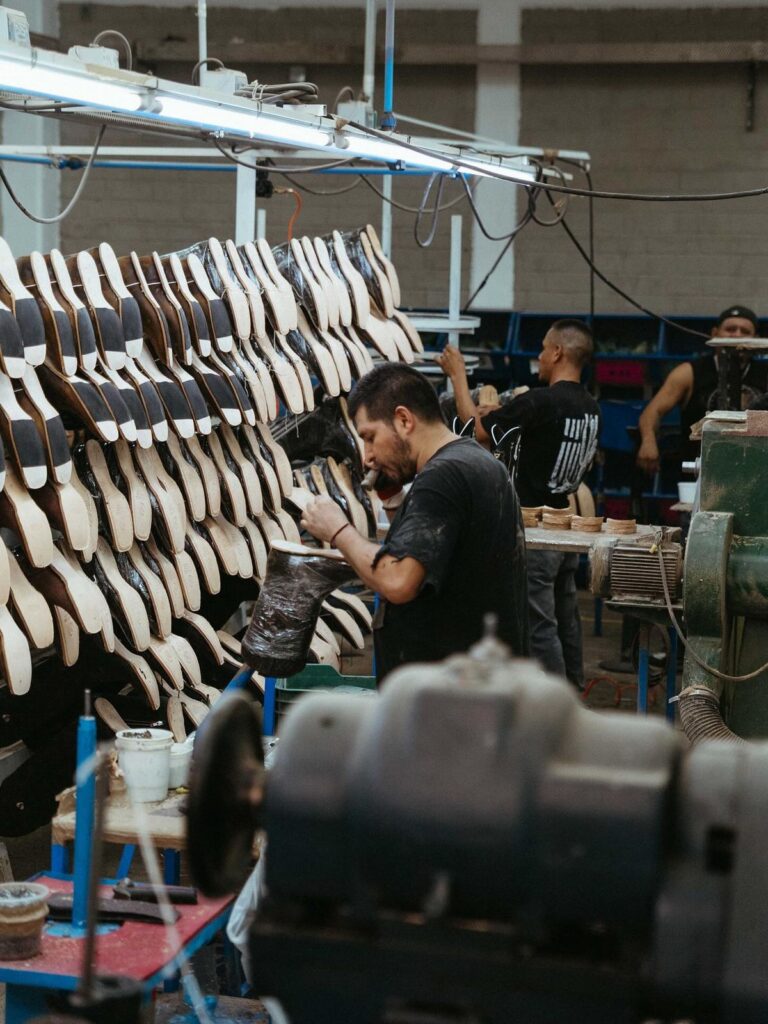
Once the sample is approved, mass production begins.
Production time depends on:
- order quantity
- factory capacity
- product complexity
Quality control also plays a key role, as explained in quality control in shoe manufacturing.
Phase 5: Logistics and delivery
After production, shipping time varies depending on location.
Key factors:
- shipping method (air vs sea freight)
- production location
- customs and handling
Learn more in Europe vs Asia.
Why do delays happen?
Many projects take longer than planned.
Common reasons:
- unclear requirements
- changes during development
- material delays
- production bottlenecks
See more in shoe manufacturing problems.
How to plan your timeline effectively
Realistic planning is essential for success.
Key actions:
- start early
- define requirements clearly
- build in time buffers
- stay aligned with your manufacturer
Choosing the right partner is also critical, as shown in find a shoe manufacturer.
Who needs to focus on production timelines?
Timing is especially important for:
- seasonal collections
- product launches
- companies with fixed sales cycles
Scaling is also affected by timing, as explained in scaling shoe production.
Conclusion: Planning the shoe manufacturing timeline
Shoe manufacturing timeline is a key success factor. Companies need to understand the full process and plan realistically.
Starting early, working in a structured way and choosing the right partners helps avoid delays and ensures timely market entry.
Explore more about shoe manufacturing and related topics in our other guides.