



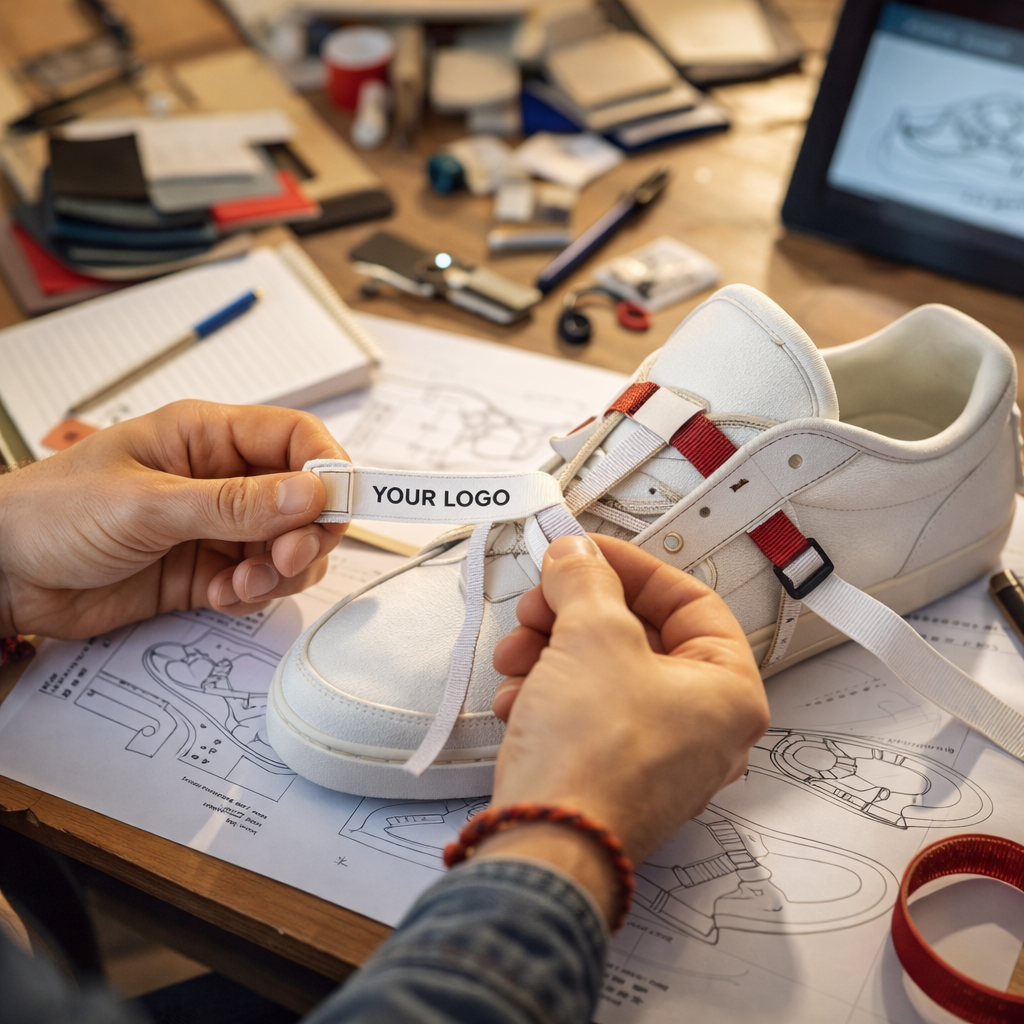
Private label shoes cost is a key factor for companies planning to build their own footwear collection. Beyond design and materials, realistic cost calculation plays a central role.
In this guide you will learn:
- what private label shoes cost
- which factors influence pricing
- how cost per pair is structured
- what to look for when comparing offers
Many companies struggle to understand what is actually included in pricing and how to compare manufacturers properly.
How much do private label shoes cost?
Private label shoes are based on existing models that can be customized. This significantly reduces entry costs compared to full custom development.
However, pricing still depends on the scope of the project.
See general pricing in shoe manufacturing cost.
What factors influence private label shoe costs?
The main cost drivers are:
- model selection
- materials and finishes
- colors and customization
- branding (logo, insoles, outsoles)
- packaging and extras
- order quantity
The more customization, the higher the cost.
Learn more in material selection in shoe manufacturing.
How is cost per pair calculated?
Pricing consists of several components:
- material costs
- production costs
- branding
- packaging
- logistics
See detailed breakdown in shoe manufacturing cost per pair.
Why is private label often more cost-efficient?
The main advantage is using existing models.
This reduces:
- development effort
- sampling costs
- time to market
- overall risk
Learn more in how to start shoe manufacturing.
Hidden costs in private label projects
Many companies focus only on unit price.
Commonly underestimated costs:
- sampling phase
- branding details
- packaging
- transport
- changes during production
See more in cost mistakes in shoe manufacturing.
How MOQ affects private label pricing
Production quantity directly impacts cost per pair:
- higher quantities = lower unit cost
- lower quantities = higher cost
More details in minimum order quantity shoes.
How to calculate private label shoe costs correctly
A structured approach helps:
- define the product clearly
- plan realistic quantities
- make decisions early
- choose transparent partners
Learn more in shoe production planning.
Who should use private label production?
Private label is especially suitable for:
- established brands
- retailers with own label
- companies with limited budgets
- fast market entry strategies
See comparison in private label vs custom shoes.
Common mistakes in private label projects
Many companies make similar mistakes:
- incorrect cost calculation
- too many changes
- lack of planning
- unrealistic expectations
Learn more in shoe manufacturing mistakes.
Conclusion: Evaluate private label costs realistically
Private label shoes cost is often more predictable and cost-efficient than full custom development. However, success depends on transparency, quality and structured processes.
Accurate calculation helps reduce risk and ensures successful production.
Learn more about custom shoe manufacturing and how to launch your collection efficiently.