


Develop shoes is the first critical step for companies building their own footwear collection. A simple idea is transformed into a tangible product that can later be produced at scale.
In this guide you will learn:
- how the shoe development process works
- which steps are required from idea to prototype
- what factors influence development
- how to avoid common mistakes
Many companies underestimate how structured and technical this process actually is.
What does it mean to develop shoes?
Developing shoes describes the entire process from initial concept to finished prototype.
This includes:
- design creation
- material selection
- technical development
- sample production
An overview of the full process can be found in shoe manufacturer guide.
Phase 1: Idea and concept development
Every project starts with a clear product idea.
Key questions:
- Who is the target customer?
- What price segment should the product fit into?
- What function should the shoe fulfill?
Structured planning is essential, as explained in plan shoe production.
Phase 2: Design and first concepts
The idea is translated into a concrete design.
Typical steps:
- sketches or digital concepts
- color and material definition
- details and functionality planning
Learn more in shoe design process.
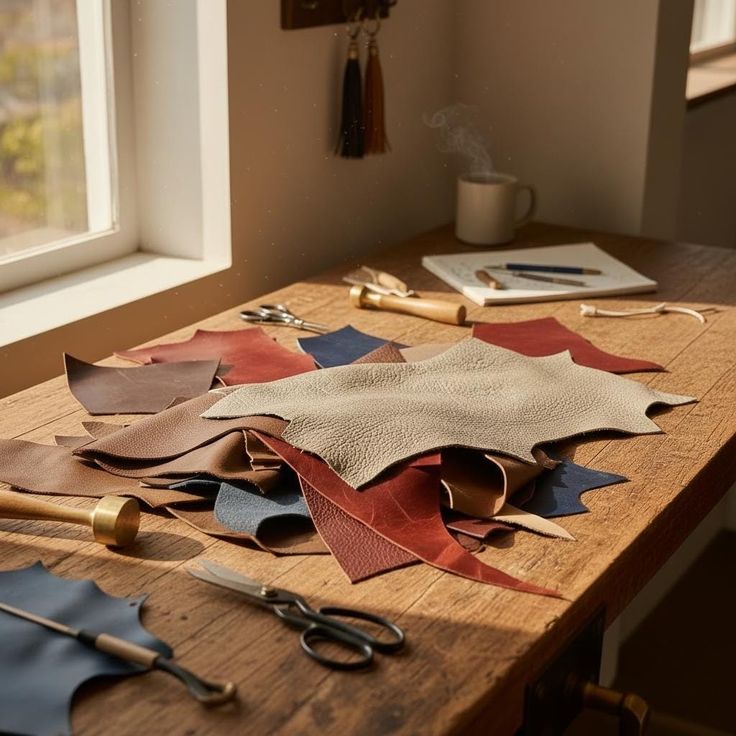
Phase 3: Material selection
Materials have a major impact on quality and cost.
Common materials:
- leather
- textiles
- synthetic materials
- sole components
Learn more in shoe materials and material selection.
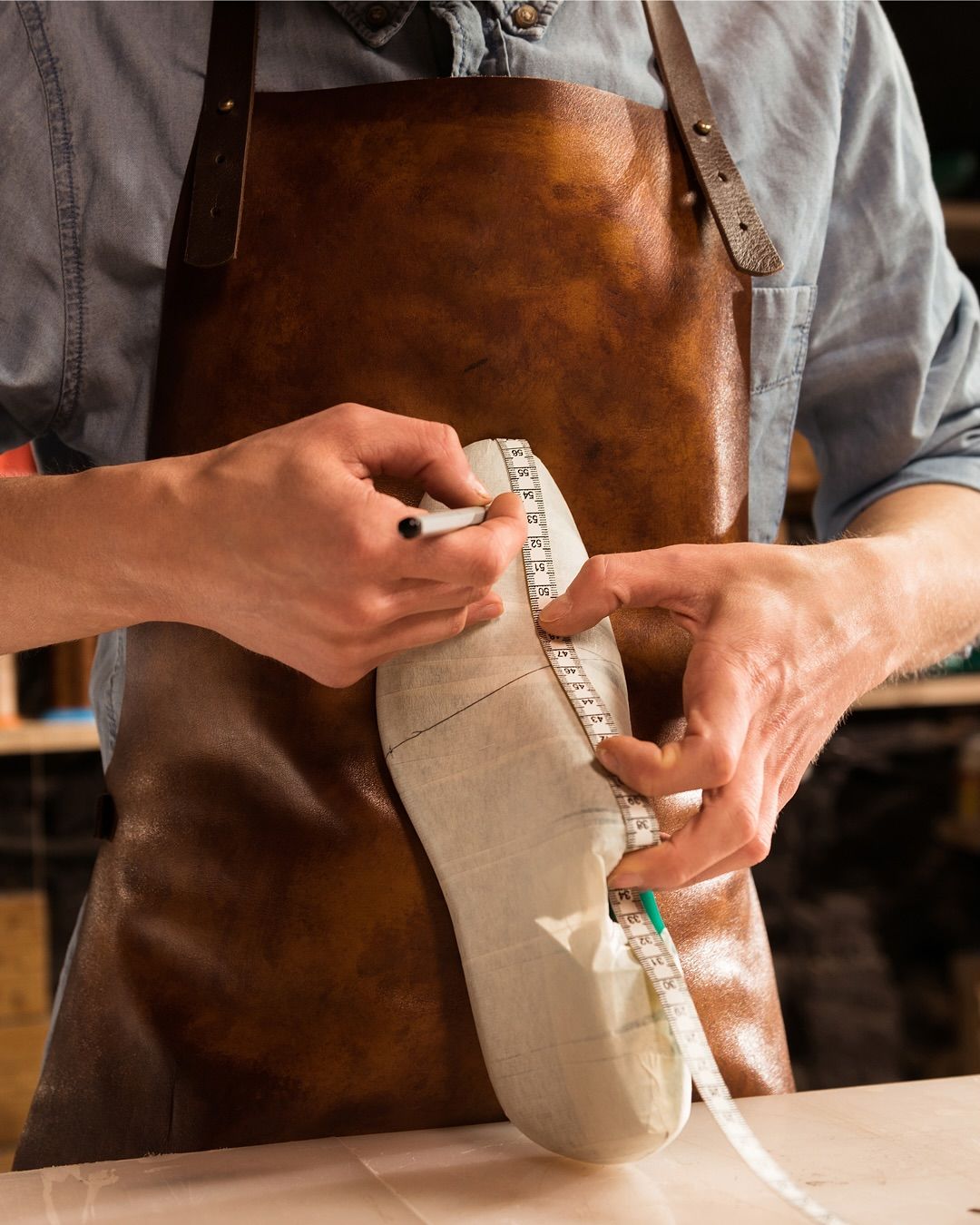
Phase 4: Technical development
In this phase, the design becomes a manufacturable product.
Key elements:
- technical specifications
- measurements and construction details
- alignment with the manufacturer
Choosing the right partner is critical, as explained in find a shoe manufacturer.
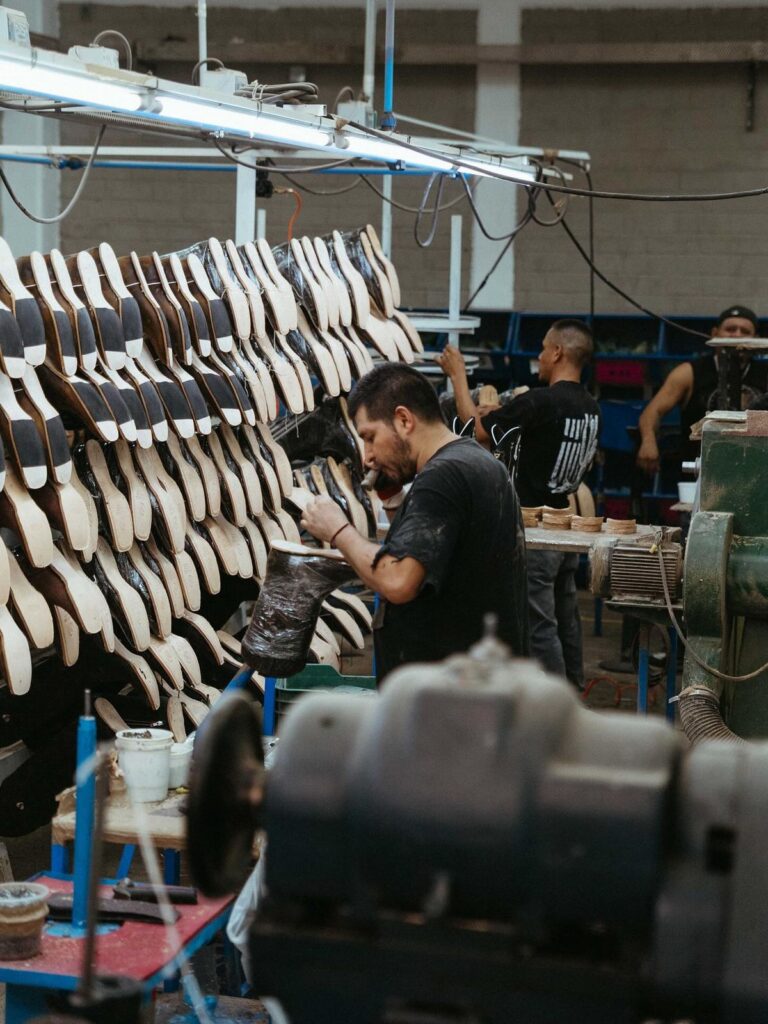
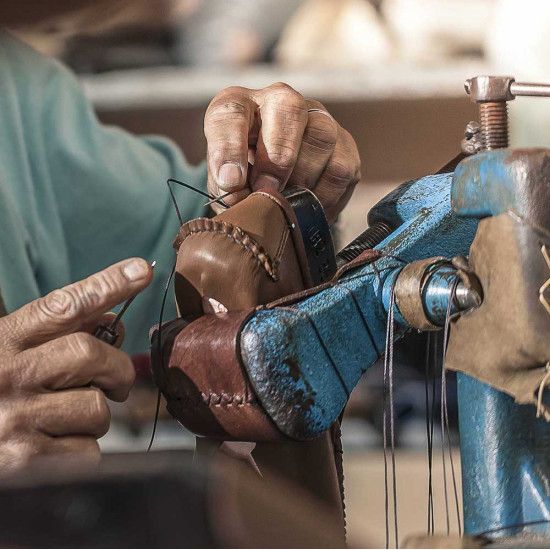
Phase 5: Sample development
The sampling phase is one of the most important steps.
This is where the first prototype is created and tested.
Typical steps:
- first sample production
- fit and quality testing
- adjustments and refinements
Learn more in shoe sample development.
What factors influence development?
The speed and quality of development depend on several factors:
- design complexity
- material availability
- manufacturer experience
- number of revisions
Timing is explained in production timeline.
Common development mistakes
Many production problems originate in this phase.
Typical mistakes:
- unclear requirements
- too many changes during development
- missing technical details
- poor material selection
Learn more in common production mistakes.
Who needs this process most?
Shoe development is especially important for:
- companies building their own brand
- new product collections
- custom product concepts
Brand-building insights can be found in cost to start a shoe brand.
Conclusion: Structured shoe development is key
Develop shoes is a complex process that requires structure and clarity. Companies that plan properly from the beginning save time, reduce costs, and avoid major issues later.
A well-executed development phase is the foundation for successful production and a market-ready product.
Explore more about shoe manufacturing and product development in our other guides.